
Gold in Congo
- Home
- Democratic Republic of Congo (DRC)

Gold in Congo | Gold Mining, Trade & Sourcing Opportunities in the Democratic Republic of Congo
The Democratic Republic of Congo (DRC) is one of Africa’s most resource-rich countries and remains a major force within the continent’s mining sector. While the country is globally recognized for cobalt and copper, Congo also holds vast gold reserves spread across several mineral-rich provinces. From large-scale industrial operations to extensive artisanal mining communities, gold continues to play an important role in the Congolese economy and regional trade networks.
The DRC possesses some of Africa’s most promising untapped gold deposits, particularly in the eastern part of the country. Gold mining activities are concentrated in provinces such as Ituri, South Kivu, North Kivu, Maniema, Haut-Uele, and Tanganyika, where both industrial and artisanal miners contribute significantly to national production.
At Gold Source Africa, we work closely with trusted regional suppliers, mining communities, local cooperatives, and gold trade partners across East and Central Africa. Our understanding of the Congolese gold sector allows us to support responsible sourcing, regional trade coordination, and transparent access to gold opportunities within one of Africa’s most important mining markets.
Gold mining has become an increasingly important sector within the DRC’s economy. The country’s mineral-rich geological formations contain extensive gold-bearing greenstone belts that continue to attract exploration and investment from international mining companies and regional operators. According to industry estimates, the DRC holds approximately 750 tonnes of proven gold reserves, making it one of Africa’s most resource-rich gold jurisdictions.
The country produces gold through a combination of industrial mining operations and artisanal mining activities. While large commercial mines contribute significantly to official production statistics, artisanal mining remains widespread across eastern Congo and supports hundreds of thousands of livelihoods.
Recent data from the Congolese Ministry of Mines showed that the country produced more than 6,462 kilograms of gold during the first quarter of 2024 alone, with industrial production accounting for the majority of output.
Gold in Congo - Major Gold Mining Regions in D.R.C
Congo is home to some of Africa’s richest gold-producing regions, with vast mineral reserves spread across the eastern and northeastern provinces. From large-scale industrial mines to extensive artisanal mining communities, the country’s gold sector continues to play a major role in regional and international supply chains. Mining regions such as Ituri, South Kivu, Haut-Uele, and Maniema remain central to Congo’s growing position within Africa’s gold industry.
Maniema Province
Maniema is another important artisanal mining province where local communities depend heavily on gold extraction for employment and income.
The province contains extensive alluvial and hard-rock gold deposits that continue to support both informal and semi-organized mining operations.
Artisanal gold production from Maniema contributes significantly to eastern Congo’s regional trade networks.
South Kivu Province
South Kivu is widely known for artisanal and small-scale gold mining. Thousands of miners operate throughout the province using both traditional and semi-mechanized extraction methods.
Gold mining in South Kivu supports local economies across remote communities, particularly in areas surrounding river systems and mineralized hills. The province remains one of the DRC’s most active artisanal gold regions despite ongoing infrastructure and security challenges.
Haut-Uele Province
Haut-Uele has emerged as one of Congo’s leading industrial gold mining provinces due to major commercial mining investments in recent years. The region contains high-grade deposits and modern mining infrastructure that support large-scale gold production.
Industrial gold operations in Haut-Uele have helped increase the DRC’s official gold export capacity while attracting additional exploration interest across northeastern Congo.
Ituri Province
The province contains rich greenstone formations and extensive gold deposits that have supported mining activities for decades.
Industrial operations in Ituri contribute significantly to the DRC’s official gold exports, while artisanal mining communities remain highly active throughout the province.
Tanganyika Province
Tanganyika hosts growing artisanal mining activities and remains an emerging gold-producing region within the DRC.
As mining infrastructure improves, Tanganyika is expected to attract increased mining investment and commercial interest.
Exploration mineral surveys continue to identify additional gold-bearing zones throughout the province.
North Kivu Province
Nothern Kivu in Democratic republic of Congo is where artisanal miners and local cooperatives participate in extraction and trade activities.
The province’s mineral wealth has attracted both local and international interest for many years.
Mining communities in North Kivu contribute to regional gold supply chains that connect eastern Congo to neighboring countries and global markets.
How IS Gold Mined in Congo?
Gold mining in Congo is carried out through both large-scale industrial operations and widespread artisanal mining across the eastern provinces.
Miners extract gold from hard-rock formations and alluvial deposits using a mix of modern machinery and traditional manual methods.
This dual system makes the DRC one of Africa’s most active and diverse gold-producing countries.
Artisanal & Small-Scale Gold Mining in Congo
Artisanal and small-scale mining (ASM) is one of the most important components of Congo’s gold industry. An estimated 80% of artisanal miners in the DRC are involved in gold extraction activities.
Across eastern Congo, miners work in riverbeds, open pits, shallow tunnels, and underground shafts using basic equipment and traditional mining methods. ASM operations are widespread throughout South Kivu, Ituri, Maniema, and Tanganyika provinces.
Artisanal mining provides livelihoods for hundreds of thousands of people and supports local economies across remote mining communities. However, the sector also faces challenges related to informality, safety standards, environmental management, and smuggling.
Studies on artisanal mining in Congo have also highlighted concerns surrounding illegal trade networks, unsafe working conditions, mercury use, and the presence of armed groups in some mining regions.
Industrial Gold Mining in Congo
Alongside artisanal production, industrial gold mining continues to expand within the DRC through international mining investment and modern commercial operations.
Large-scale mining companies operating in Congo use advanced technologies such as:
- Open-pit mining systems, Underground extraction, Ore crushing and milling, Cyanide recovery systems and Modern gold processing plants
Industrial mining operations have significantly increased official gold production and export revenues in recent years. According to government data, industrial mining accounted for more than 6,445 kilograms of the DRC’s total gold production during the first quarter of 2024.
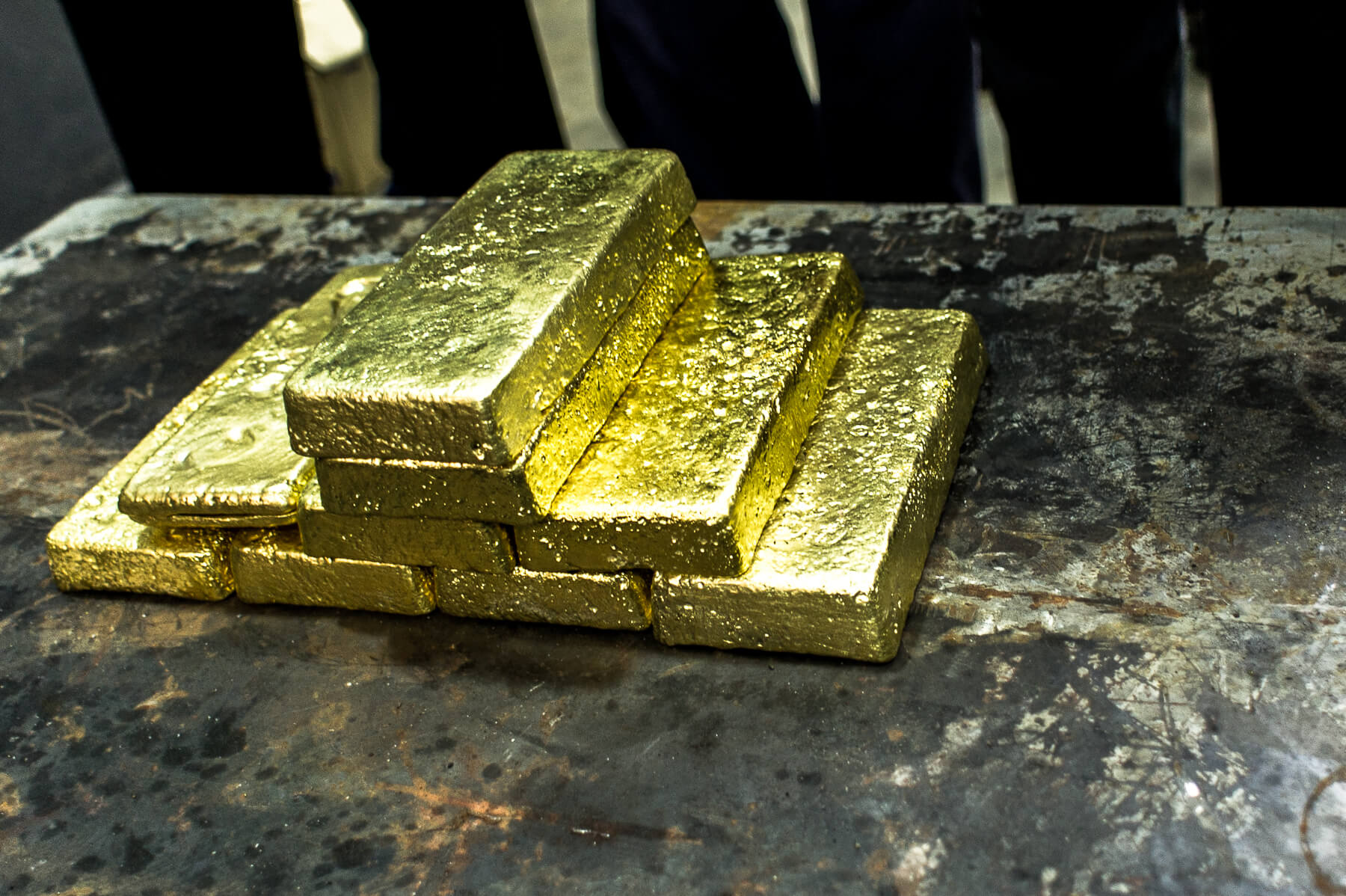
Gold Source Africa in Congo
At Gold Source Africa, we continue to build strong regional relationships with trusted mining communities, suppliers, local cooperatives, and trade partners operating throughout Central and East Africa. Our understanding of the Congolese gold sector allows us to support transparent sourcing opportunities, regional market access, and long-term partnerships within one of Africa’s most important mining economies.
Through responsible sourcing practices and reliable regional networks, we help connect international buyers with trusted opportunities across Congo’s evolving gold industry.
THE GOLD FUTURE , Trade & Export in Congo
Gold Trade & Export in Congo
Gold exports remain an important source of revenue for the Democratic Republic of Congo. Official exports generate hundreds of millions of dollars annually and support the country’s broader mining economy.
Recent government initiatives aim to improve transparency, strengthen oversight, and formalize artisanal gold trade systems across the country. The state-owned company DRC Gold Trading was established to increase official gold purchasing and reduce illegal smuggling activities.
In 2026, DRC Gold Trading announced plans to scale artisanal gold purchases and sales to approximately 15 metric tons annually as part of broader formalization efforts.
The DRC government continues to work toward increasing official exports, improving traceability systems, and strengthening national control over mineral supply chains.
Challenges Facing Congo’s Gold Sector
Despite its enormous mineral potential, Congo’s gold industry faces several ongoing challenges that continue to affect mining operations and trade systems.
These include:
- Informal mining activities, Gold smuggling, Security concerns in eastern provinces, Limited infrastructure, Environmental degradation, Unsafe artisanal mining conditions and Illegal taxation by armed groups in certain regions
Reports from international organizations and research institutions have highlighted the complexity of regulating artisanal mining activities across remote mining zones.
However, ongoing reforms, increased international attention, and improved traceability initiatives are gradually supporting greater transparency within the sector.
The Future of Gold Mining in Congo
The Democratic Republic of Congo remains one of Africa’s most promising long-term gold markets due to its vast untapped reserves, expanding exploration activity, and growing international demand for African gold.
Exploration companies continue to identify new gold-bearing zones throughout eastern and northeastern Congo, while industrial mining investment is expected to increase in coming years.
Government-backed initiatives aimed at formalizing artisanal mining, improving export systems, and strengthening mineral governance may also support long-term industry growth.
As global demand for responsibly sourced minerals increases, Congo’s gold sector is likely to remain strategically important within both African and international supply chains.
Gold Pricing In Congo
Pricing is primarily influenced by the global spot gold price, which serves as the benchmark for transactions. However, local buying prices vary due to factors such as purity variations, transportation risks, security concerns in mining regions, etc. As a result, prices at mine sites can fluctuate significantly depending on location, accessibility, and buyer competition.
In formal trade systems, licensed exporters and state-approved trading entities help align local prices more closely with international market rates. These channels also introduce additional costs such as refining, certification, security, and export compliance, influencing final purchase pricing.
In contrast, informal trading networks , common in remote mining areas, often rely on cash-based transactions and immediate settlement, leading to more flexible but less regulated price negotiations. This environment creates significant price variability across different provinces such as Ituri, South Kivu, and Haut-Uele.
Partner with Gold SOurce East Africa
Gold Source Africa connects verified buyers with trusted sourcing networks across the DRC’s major gold-producing areas. Congo holds some of Africa’s richest untapped gold reserves, with active mining across key regions driving steady supply into regional and global markets.
Gold in Congo Frequently Asked Questions
Gold in Democratic Republic of Congo is mined through both industrial and artisanal mining methods. Large-scale operations use open-pit and underground mining systems with modern machinery, like excavators among others while artisanal miners rely on manual tools, shallow pits, riverbed excavation, and traditional processing methods.
Gold Source Africa works closely with trusted suppliers, mining communities, local cooperatives, and regional trade partners across Congo’s major gold-producing areas. Our regional expertise supports transparent sourcing, reliable trade coordination, and long-term partnerships within the Congolese gold sector.
Artisanal and small-scale mining (ASM) involves local miners and cooperatives extracting gold using smaller-scale operations and basic equipment. ASM is widespread across eastern Congo and supports hundreds of thousands of livelihoods throughout mining communities.
Yes. Congo’s extensive gold reserves, active mining regions, and growing trade networks continue to attract interest from regional and international buyers seeking long-term sourcing opportunities within Central Africa
Yes. Gold is one of Congo’s important mineral exports and is traded through licensed exporters, local trading houses, regional supply networks, and international buyers. The government continues to implement reforms aimed at improving formal exports and reducing illegal smuggling.
Gold prices in Congo are largely influenced by international spot gold prices. However, local pricing may vary depending on purity levels, transportation costs, regional security conditions, buyer competition, and whether the trade occurs through formal or informal supply chains.
Artisanal and small-scale mining (ASM) involves local miners and cooperatives extracting gold using smaller-scale operations and basic equipment. ASM is widespread across eastern Congo and supports hundreds of thousands of livelihoods throughout mining communities.
Some major challenges include:
- Informal mining activities
- Gold smuggling
- Limited infrastructure
- Security concerns in some mining areas
- Environmental impacts
- Unsafe working conditions in artisanal mining
Despite these challenges, Congo remains one of Africa’s most promising gold-producing countries.